










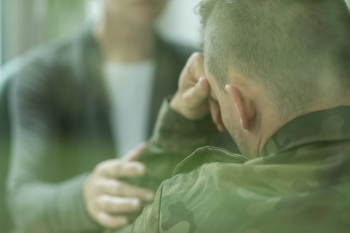
Post-Traumatic Stress Disorder (PTSD): Symptoms, Causes, and Effective Treatment
Post-Traumatic Stress Disorder (PTSD) is a mental health condition that can develop after experiencing or witnessing a traumatic event. Trauma may include abuse, neglect, sexual assault, domestic violence, combat, serious accidents, medical trauma, or natural disasters.
PTSD is not a weakness or character flaw. It is a nervous system response to experiences that felt overwhelming, terrifying, or unsafe. With the right support, healing is possible.
What Is Post-Traumatic Stress Disorder (PTSD)?
Post-Traumatic Stress Disorder occurs when the brain and body remain stuck in survival mode long after the traumatic event has ended. Even when life becomes safe again, the nervous system may continue to react as if danger is still present.
PTSD can affect people of all ages and backgrounds. Some individuals develop symptoms shortly after a traumatic event, while others may notice symptoms months or even years later.
Common PTSD Symptoms
PTSD symptoms can look different from person to person. Some people experience emotional symptoms, while others notice physical or behavioral changes.
Intrusive Trauma Symptoms
-
Flashbacks or vivid memories of the traumatic event
-
Distressing thoughts or images that appear suddenly
-
Feeling frozen, panicked, or overwhelmed when triggered
Avoidance Behaviors
-
Avoiding people, places, conversations, or emotions connected to the trauma
-
Numbing feelings through distraction, work, sex, substances, or withdrawal
Changes in Mood and Thinking
-
Persistent negative thoughts about yourself or the world
-
Feelings of guilt, shame, or self-blame
-
Emotional numbness or feeling disconnected from others
Hyperarousal and Reactivity
-
Being constantly on guard or easily startled
-
Irritability, anger, or aggression in certain situations
-
Difficulty sleeping or concentrating
When PTSD symptoms last longer than one month and interfere with daily life, professional trauma treatment can be helpful.
Why Trauma Can Feel So Overwhelming
Trauma affects how the brain stores memories. Instead of being processed as a past event, trauma may be stored in sensory fragments—images, sounds, emotions, and body sensations. This is why reminders of trauma can feel as intense as the original experience.
Without adequate support, trauma can shape how someone relates to themselves, others, and the world. Lack of understanding from family or loved ones may unintentionally increase feelings of isolation.
Effective PTSD Treatment Options
PTSD is highly treatable. Trauma therapy helps the brain and nervous system learn that the danger has passed.
Common PTSD treatments include:
Trauma-Focused Therapy
Specialized trauma therapy helps individuals process traumatic experiences safely and gradually, reducing emotional and physical reactivity.
Cognitive Behavioral Therapy (CBT)
CBT helps identify and challenge trauma-related thoughts that keep people stuck in fear, shame, or self-blame.
Skill-Building and Nervous System Regulation
Therapy often includes grounding techniques, emotional regulation skills, and tools to manage triggers outside of sessions.
Medication
In some cases, anti-anxiety or antidepressant medications may be used alongside therapy to help stabilize symptoms such as panic, depression, or sleep disruption.
Support Groups and Self-Care
Connecting with others who understand trauma can reduce isolation. Self-care practices reinforce that trauma is only one part of a person’s life—not their identity.
Coping Strategies and Trauma Recovery
Some individuals attempt to manage PTSD symptoms through substances such as alcohol or marijuana. While certain approaches may be helpful for some people, they are not universally effective and may worsen symptoms depending on individual circumstances.
A trauma-informed therapist can help determine which coping strategies support healing rather than avoidance.
How to Support Someone with PTSD
If someone you love is struggling with trauma:
-
Listen without judgment
-
Avoid minimizing their experience
-
Offer patience rather than solutions
-
Learn grounding techniques to help them feel safe when overwhelmed
Supportive relationships play an important role in trauma recovery, especially when paired with professional counseling.
PTSD Help Is Available
Living with Post-Traumatic Stress Disorder can feel exhausting and isolating—but you are not broken. PTSD is an understandable response to overwhelming experiences, and healing is possible.
Trauma therapy can help you reconnect with your body, your relationships, and your life—without being controlled by the past.
If you are seeking PTSD treatment or trauma counseling, working with a trained therapist can help you regain a sense of safety, stability, and hope.